
Baking is a science and an art, requiring careful attention to technique, timing, and ingredients. For beginners, understanding the fundamental principles is essential for achieving consistent and satisfying results. Mastering these basics provides a solid foundation for exploring more advanced recipes and creative variations.
One of the first steps in successful baking is accurate measurement. Unlike cooking, baking relies heavily on precise ratios of ingredients. Using a digital scale or measuring cups ensures consistency and prevents common mistakes, such as overly dense cakes or dry cookies. Proper measurement also helps maintain the intended balance between sweetness, moisture, and structure.
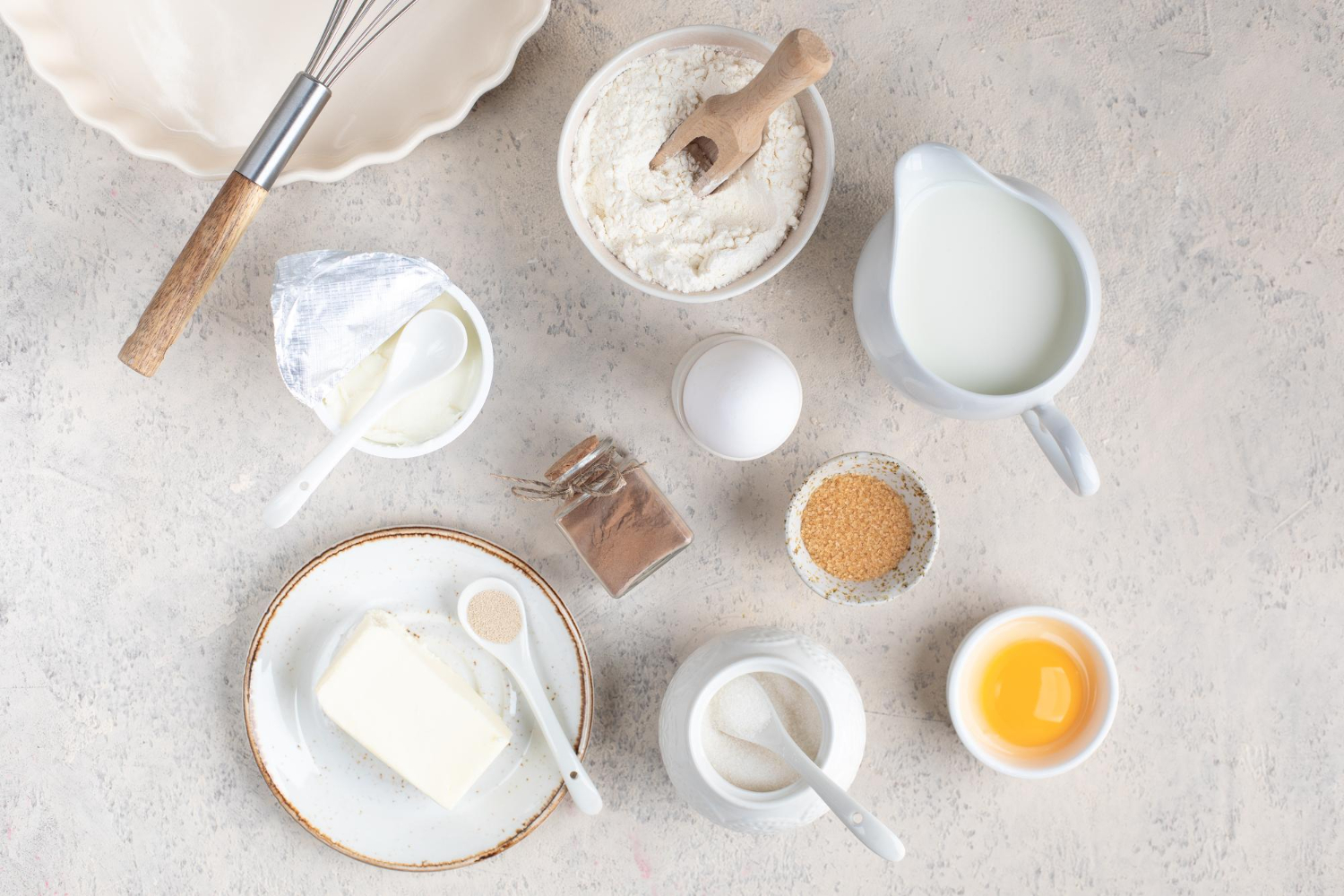
Ingredient selection plays a significant role in the final outcome. Fresh flour, quality butter, eggs, and leavening agents contribute to texture, flavor, and rise. Understanding the role of each component such as the binding power of eggs or the leavening effect of baking powder enables bakers to make informed adjustments when experimenting with recipes.
Mixing techniques vary depending on the type of baked good. Gentle folding is ideal for delicate batters, preventing the loss of air that provides lightness, while creaming butter and sugar creates structure for cakes. Overmixing can lead to tough textures, while undermixing may result in uneven consistency. Learning the appropriate method for each recipe ensures optimal results.
Temperature control is another crucial element. Oven calibration, preheating, and understanding heat distribution help baked goods rise evenly and develop the desired color and texture. Ingredients like butter and eggs often perform best at room temperature, allowing better incorporation and smoother batters. Monitoring these factors reduces the risk of uneven baking or collapsed structures.
Timing and observation also contribute to successful outcomes. Visual cues, such as golden edges or set centers, indicate readiness, while touch tests can reveal doneness in breads or pastries. Developing a sense of timing allows bakers to respond to variations in ingredient freshness, oven performance, or environmental conditions.
In addition to technique, patience is key. Baking often involves resting doughs, allowing flavors to develop, or letting cakes cool before decorating. Rushing these steps can compromise texture and presentation. Taking time to follow each stage carefully ensures both taste and visual appeal are preserved.
In conclusion, mastering baking basics involves understanding measurement, ingredient function, mixing techniques, temperature, and timing. By building these foundational skills, beginners can confidently create a wide range of baked goods, from simple cookies to intricate pastries. With practice, attention, and patience, baking becomes a reliable and enjoyable culinary pursuit.