
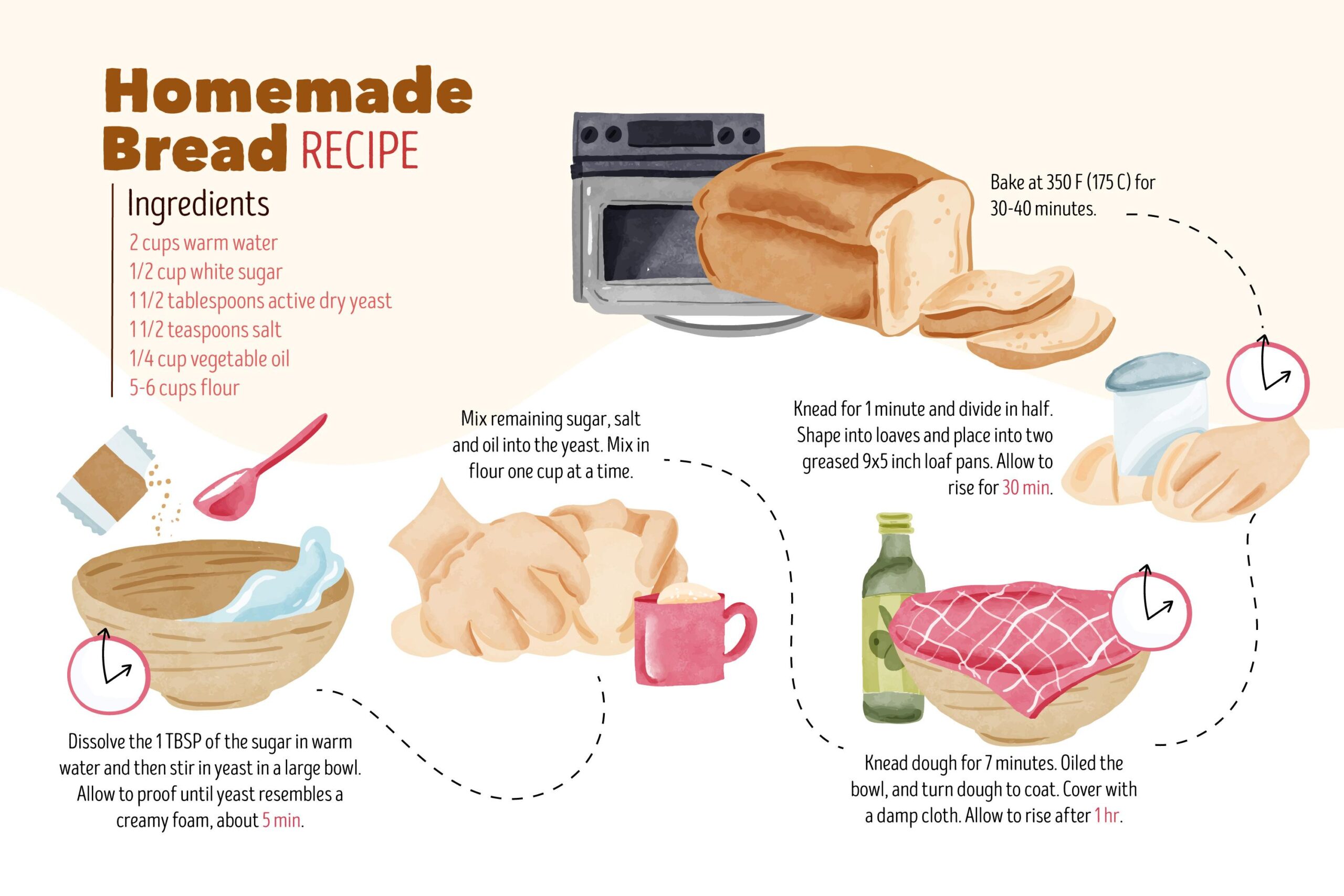
Bread baking is a timeless culinary art that combines tradition, technique, and creativity. From simple everyday loaves to artisanal creations, homemade bread provides a satisfying experience for both beginners and experienced bakers. The process involves understanding ingredients, mastering techniques, and embracing patience to achieve flavorful and textured results.
One of the most important factors in bread making is ingredient quality. Flour, yeast, water, and salt form the basic foundation of most recipes, but their selection and proportions significantly influence the final product. Using fresh yeast, high-protein flour, and filtered water can create loaves with better structure and flavor. Additional ingredients such as seeds, nuts, or herbs can introduce unique textures and aromas, enhancing the overall appeal.
Kneading is a critical step that develops gluten, giving bread its structure and chewiness. While traditional hand kneading provides a tactile understanding of dough, stand mixers with dough hooks can simplify the process for beginners. Allowing the dough to rest during bulk fermentation encourages proper gluten development and enhances flavor. Understanding the signs of properly kneaded dough, such as elasticity and smoothness, helps bakers avoid common pitfalls.
Proofing, or allowing the dough to rise, is essential for achieving light, airy loaves. Environmental factors, such as temperature and humidity, affect fermentation times, making observation and experience crucial. Longer, slower rises often improve flavor and texture, while rapid rises may sacrifice depth for speed. Covering dough to prevent drying and ensuring consistent warmth help produce optimal results.
Shaping and scoring dough contribute to both aesthetics and functional baking. Shaping ensures uniformity and prevents uneven rising, while scoring allows controlled expansion during baking. Creative scoring patterns can turn a simple loaf into an attractive centerpiece, showcasing both skill and personal style.
Baking requires careful attention to temperature and timing. Preheating ovens and using baking stones or steam can enhance crust formation and improve crumb texture. Monitoring the internal temperature ensures the bread is fully baked, with a golden crust and soft interior. Once cooled, bread can be enjoyed fresh, stored, or used as a base for sandwiches and other recipes.
In conclusion, bread baking combines technique, observation, and creativity to produce satisfying results. By mastering ingredients, kneading, proofing, and baking, anyone can create delicious homemade loaves that offer both nourishment and a sense of accomplishment. Whether following classic recipes or experimenting with new flavors, bread making remains a rewarding culinary pursuit.