
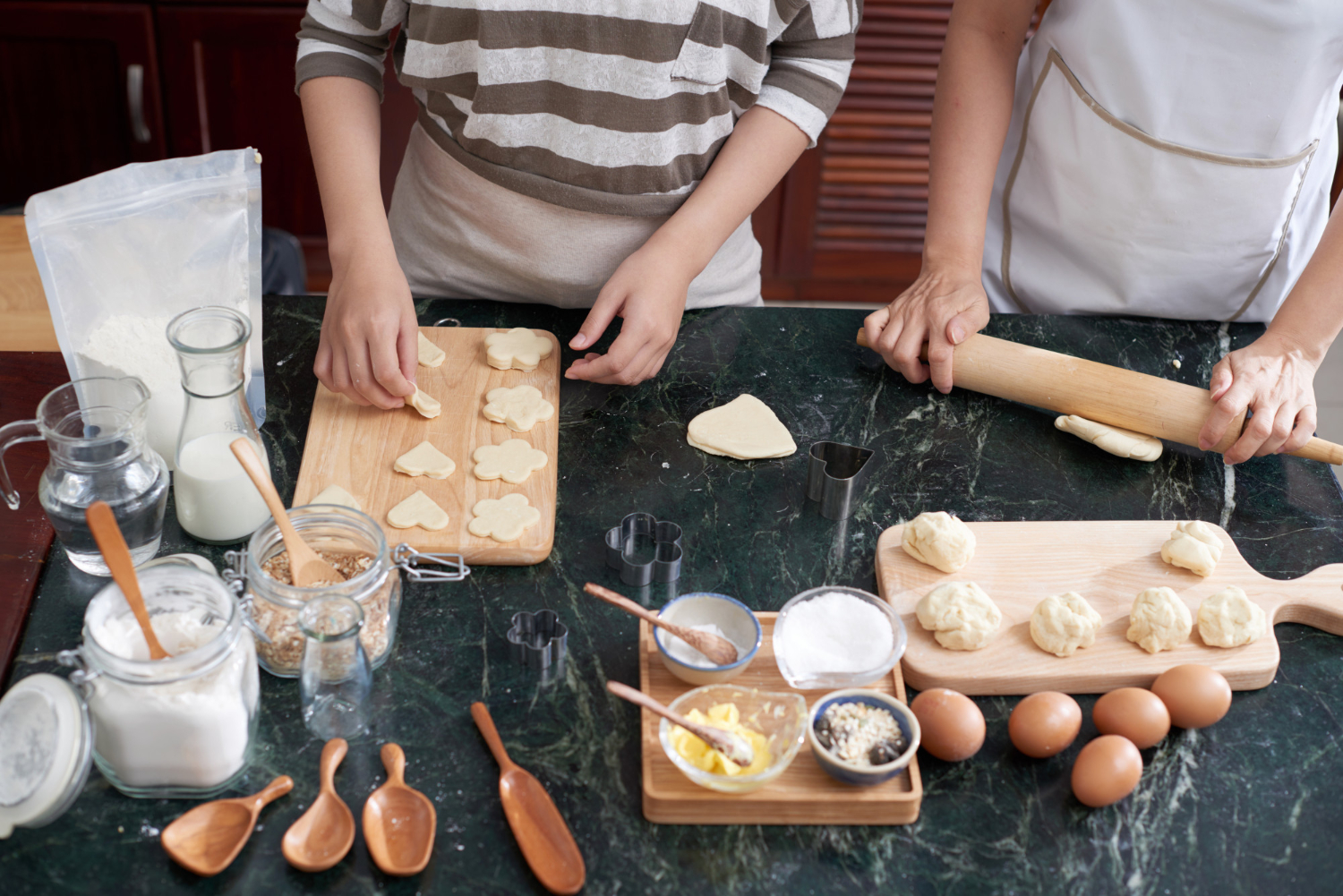
Baking is a rewarding culinary skill that combines precision, creativity, and attention to detail. Achieving consistent results requires more than following a recipe it demands an understanding of techniques, timing, and ingredient behavior. By incorporating practical tips, home bakers can elevate the quality of their creations and enjoy the process more fully.
One of the most effective strategies in baking is understanding the role of ingredients. Each component, from flour and sugar to eggs and fats, has a specific function. Flour provides structure, fats contribute moisture and tenderness, and eggs offer binding and leavening. Recognizing these roles allows bakers to adapt recipes, substitute ingredients, and troubleshoot issues without compromising the final product.
Temperature control is essential for professional-quality results. Oven calibration ensures even baking, while monitoring dough or batter temperature affects rise and texture. Many recipes benefit from using room-temperature ingredients, which mix more uniformly and produce consistent outcomes. Cold or overly warm components can negatively impact texture, structure, and flavor.
Mixing techniques are another critical element. Overmixing can create dense or tough textures, while undermixing may result in uneven consistency. Techniques such as folding, creaming, or whisking are chosen based on the desired outcome. Learning how to handle different batters or doughs ensures that baked goods achieve optimal volume, lightness, and flavor.
Attention to timing and observation enhances results. Visual cues such as golden crusts, set centers, or slight browning indicate doneness more reliably than relying solely on time. Using a toothpick or thermometer can provide additional accuracy, preventing undercooked interiors or overbaked surfaces.
Presentation and finishing touches also elevate baking. Properly cooling baked goods prevents soggy textures, while glazing, dusting, or decorating enhances visual appeal. These final steps not only make desserts more attractive but also improve the overall dining experience.
Experimentation, combined with patience, strengthens skills. Adjusting flavors, testing new techniques, and trying creative decorations fosters growth and builds confidence in the kitchen. Keeping notes on outcomes allows bakers to refine methods and consistently produce desired results.
In conclusion, mastering baking involves understanding ingredients, controlling temperature, applying proper mixing techniques, and observing visual cues. By integrating these practical tips and techniques, home bakers can achieve professional quality results, elevate the flavor and appearance of their creations, and enjoy the satisfaction of crafting perfect baked goods every time.