
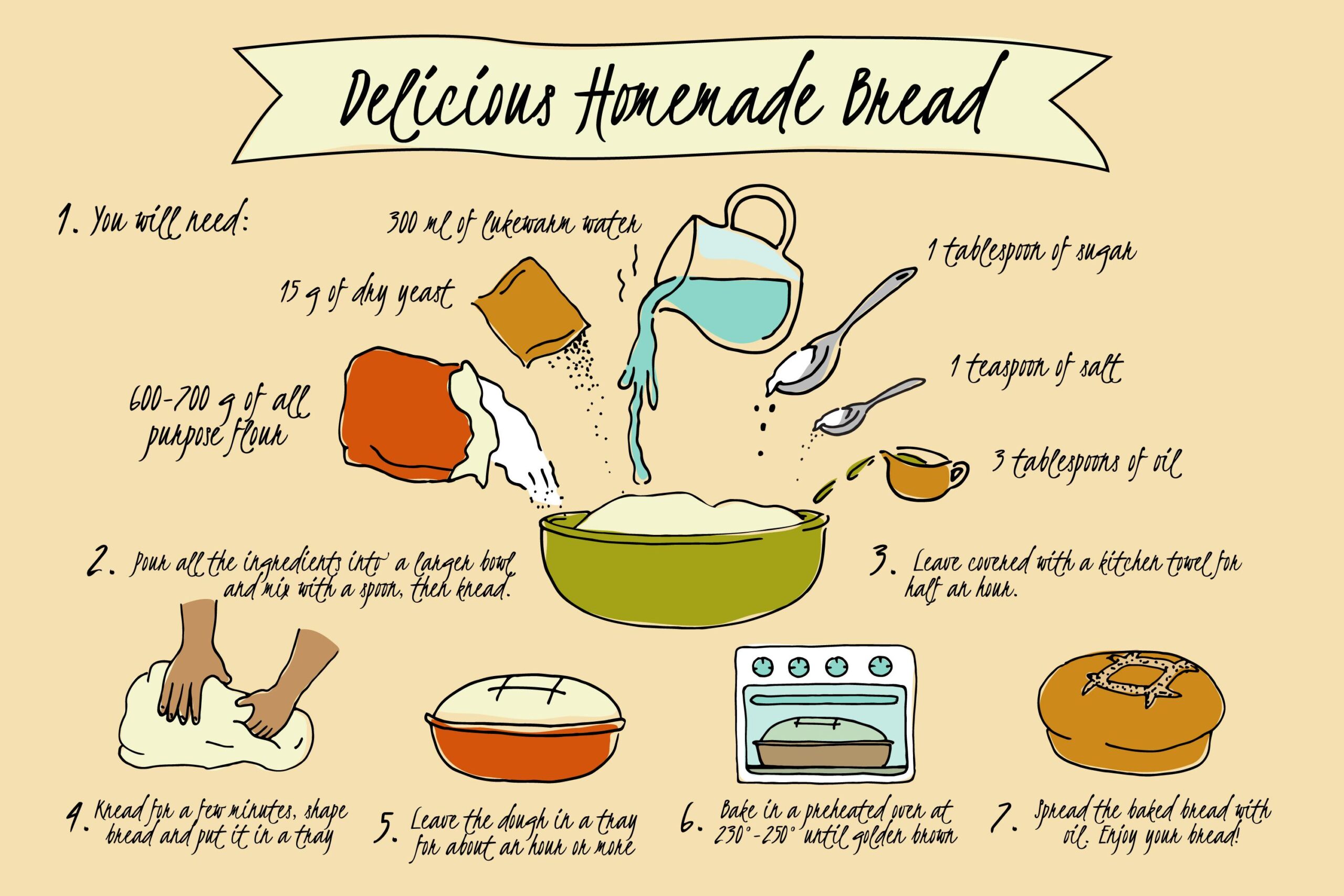
Baking is a precise culinary art, and understanding ingredients is fundamental to achieving excellent results. Each component contributes uniquely to flavor, structure, and texture, making knowledge of their roles essential for both beginners and experienced home bakers. A well-rounded grasp of ingredients allows for creativity while ensuring consistent, successful outcomes.
Flour serves as the backbone of most baked goods, providing structure and stability. Different types of flour, such as all-purpose, bread, or pastry, vary in protein content, affecting gluten development and texture. Bread flour creates chewier, more elastic doughs, while pastry flour yields tender, delicate pastries. Choosing the correct flour type is key to matching the desired result.
Leavening agents, including baking powder, baking soda, and yeast, control rise and lightness. These ingredients release gases during baking, creating air pockets that expand dough or batter. Understanding their interaction with other components, such as acidic elements or temperature, ensures proper leavening and prevents overly dense or collapsed products.
Fats, like butter, oil, or shortening, contribute moisture, tenderness, and flavor. Butter adds richness and depth, while oils can create softer textures. Proper incorporation of fats affects crumb structure and overall mouthfeel. Some recipes benefit from creaming butter and sugar to create air pockets, while others require gentle folding for a more delicate result.
Sugars serve multiple functions beyond sweetness. They provide flavor, aid in browning through caramelization, and help retain moisture. Granulated, brown, and powdered sugars each behave differently in recipes, affecting both taste and texture. Adjusting sugar types or amounts can subtly change the outcome of cookies, cakes, or muffins.
Eggs are versatile, offering binding, moisture, and structure. They provide richness and contribute to leavening, especially when whipped. The size, temperature, and freshness of eggs can influence the stability and rise of baked goods, making attention to detail important for predictable results.
Other ingredients, such as liquids, flavorings, and spices, play supporting yet critical roles. Milk, water, or cream affects hydration and texture, while vanilla, citrus, or cinnamon enhances aroma and flavor. Herbs, nuts, and dried fruits add complexity and variety, creating signature touches that elevate simple recipes.
In conclusion, mastering baking begins with understanding ingredients and their functions. Flour, leavening agents, fats, sugars, eggs, and additional components each impact flavor, texture, and structure. By learning how to select and combine these elements thoughtfully, home bakers can confidently create consistent, flavorful, and visually appealing baked goods every time.